



Summer Tours and Walkable Adventures in Albany, Oregon
Albany is a city best explored slowly. In summer, garden paths, historic homes, downtown streets, and family-friendly stops all invite a closer look at the stories that shape this Willamette Valley community.
Plan your visit around a guided event, choose a self-guided route, or build a weekend around a few memorable places to explore on foot.
Start With a Garden Tour
Through The Garden Gate Annual Tour is a beautiful reason to plan a June visit to Albany. Hosted by the Linn County Master Gardeners Association, the self-guided tour features several beautiful local gardens filled with lush plantings, creative ideas, and seasonal inspiration.
Master Gardener volunteers will greet guests along the way, and visitors will have the chance to talk with homeowners about their gardens. The tour takes place the third weekend in June from 10 a.m. to 4 p.m. Tickets are $20.
Advance tickets will be available beginning in May and can be purchased on the Linn County Master Gardener website or at the Albany Visitors Association, 122 Ferry St. SW. Tickets purchased at the Visitors Association are available by cash or check only. Day-of-tour tickets will also be available at the Albany Visitors Association, with cash or check only.
Make a day of it with lunch downtown, a visit to the Albany Historic Carousel & Museum, or a leisurely walk along the riverfront.
Step Inside Albany’s Historic Homes
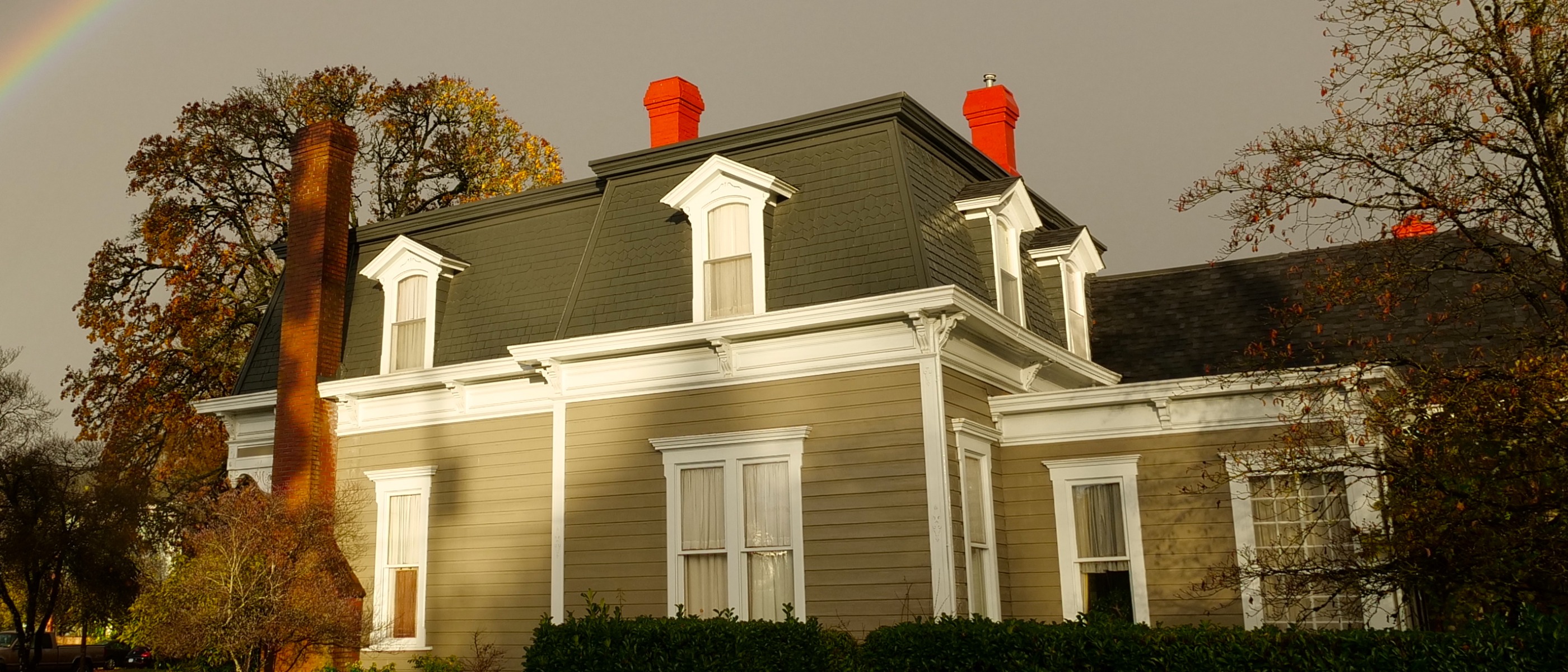
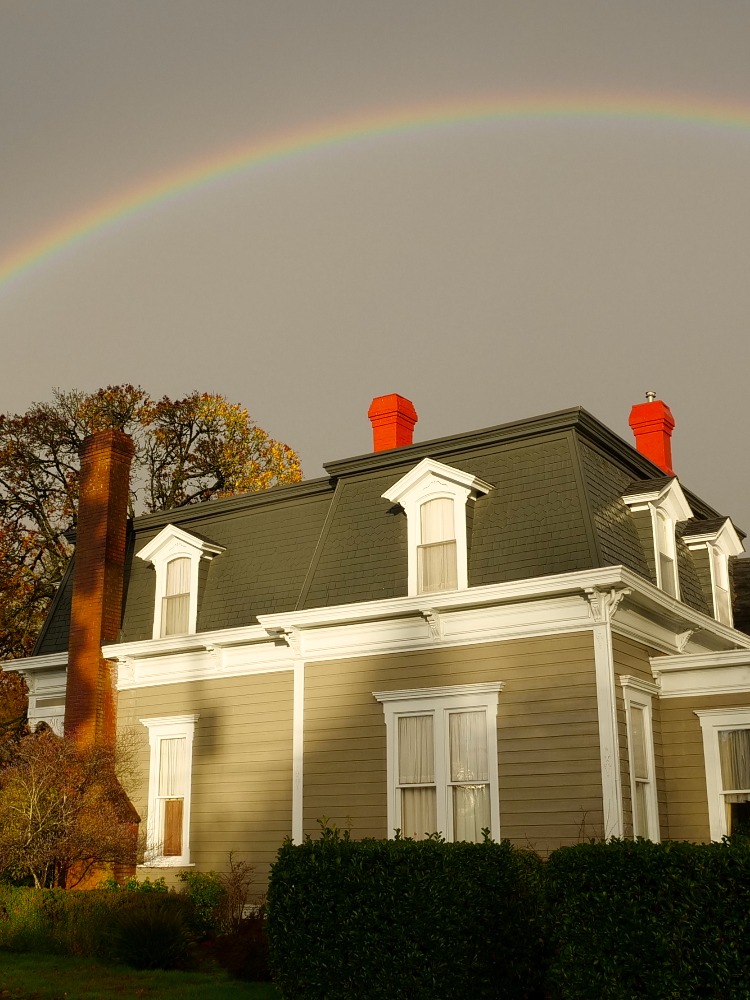
Step inside Albany’s history during two annual tours that open the doors to some of the historic homes and buildings found throughout the community. With more than 800 historic structures in Albany, the tours often include privately owned residences, public buildings, museums, and preservation projects, offering visitors a closer look at the craftsmanship, architecture, restoration, and stories that shape Albany’s historic neighborhoods.
The Summer Historic Interior Home Tour is held each year on the last Saturday in July from 11 a.m. to 5 p.m., with tickets generally going on sale in June. The Christmas Parlour Tour is held each year on the second Sunday in December from 2 to 7 p.m., with tickets generally going on sale in November. During the holidays, homes are dressed for the season, and visitors may even encounter Father Christmas along the way.
Tickets are $20 per person and may be purchased in advance by visiting the Monteith House website. On the day of each tour, tickets are also available at the Albany Visitors Association, 122 Ferry St. SW, beginning one hour before the tour starts. Tours are self-guided and may be driven or, depending on the locations featured that year, partially walked. Trolley transportation is usually available, and the Christmas tour often includes a horse-drawn wagon. Homeowners and hosts are available at many properties to share information about the homes, their architecture, preservation and restoration, and the people who once lived there.
Because the featured homes, transportation options, and other special touches vary from year to year, visitors are encouraged to contact the Albany Visitors Association closer to each event for current details. The tours are an especially good fit for visitors who love historic neighborhoods, old houses, local stories, and preservation—and an excellent excuse to make a day of it in Albany with a downtown meal, a little shopping, or even an overnight stay. Many downtown vacation rentals available through Airbnb and Vrbo are themselves located in historic homes and buildings, allowing visitors to spend the night surrounded by a little more of Albany’s history.
Walk through Albany’s Historic Districts
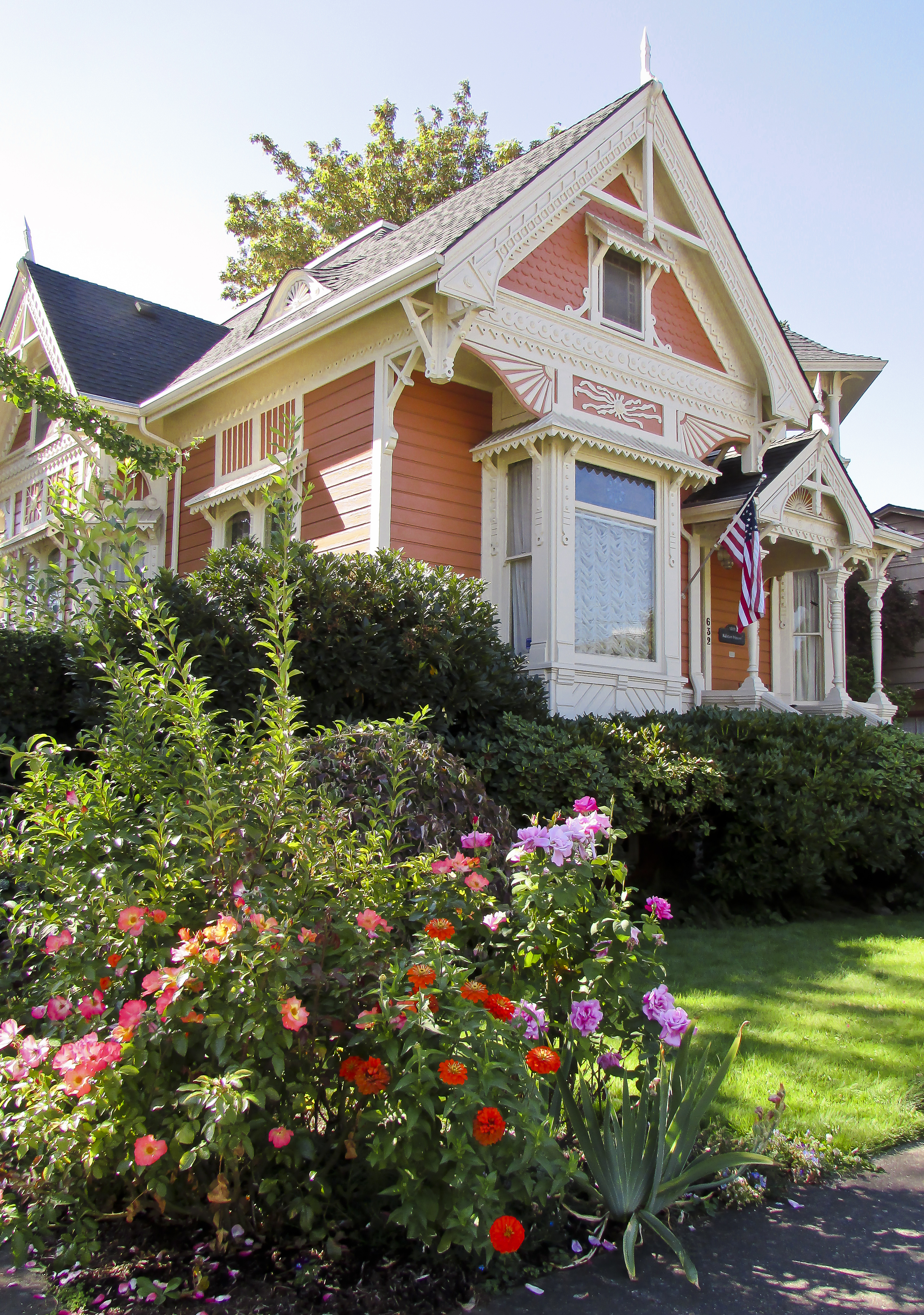
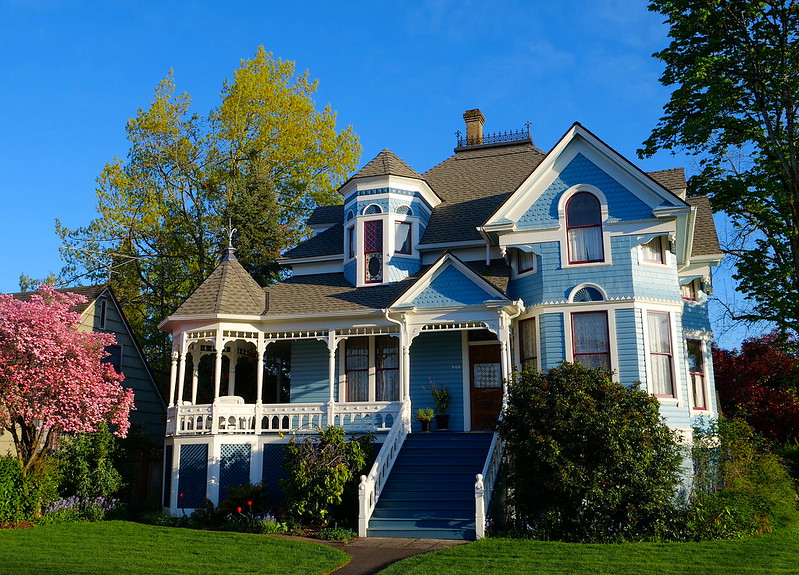
Albany is considered one of Oregon’s most architecturally diverse communities, and a walk through its neighborhoods makes it easy to see why. The city has four National Historic Districts—Monteith, Hackleman, Downtown Commercial, and the Airport District—which together tell a broad story of Albany’s development, from early settlement and residential growth to commerce, transportation, and aviation.
The Monteith and Hackleman districts are especially rewarding to explore on foot. Within just a few blocks, you can encounter homes representing many different periods and architectural styles, from ornate Victorian-era designs such as Queen Anne to Craftsman homes and other styles that arrived as Albany grew. Slow down and look up: porches, windows, rooflines, brackets, columns, trim, and other small details often tell as much of the story as the buildings themselves.
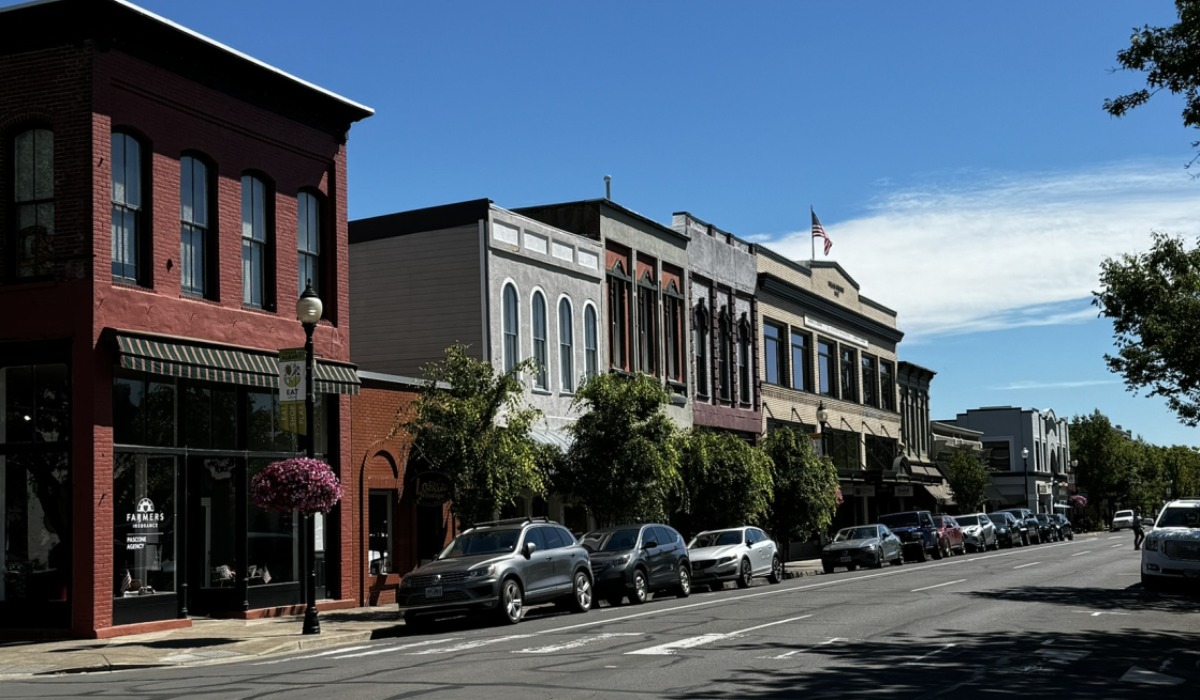
Downtown adds another remarkable collection of historic architecture, with buildings that continue to serve as restaurants, shops, offices, and gathering places.
Albany’s fourth district, the Airport District, tells a different story. Albany Municipal Airport is home to its historic 1929 hangar, which still retains its remarkable lattice-truss construction. Once a more common method of spanning large interior spaces, lattice trusses were largely replaced by newer, sturdier truss systems, making the beautifully preserved structure inside Albany’s hangar an unusual glimpse into early aviation architecture. Because the Airport District is located in a different part of town, visitors will need to drive there from the other historic districts, but it is well worth the short trip for those interested in architecture, aviation, and transportation history.
Step inside the Monteith House Museum
After you have walked through the historic districts, visit the Monteith House Museum. Built in 1849 by brothers Thomas and Walter Monteith, the house is Albany’s first frame structure and one of the oldest buildings in Oregon. Considered the most accurately restored Pioneer Era home in Oregon, it has been carefully restored to reflect pioneer life in the mid-1800s and is listed on the National Register of Historic Places.
This stop gives you a chance to move from admiring historic architecture outside to seeing how early Albany residents lived inside. Furnished rooms, period artifacts, and exhibits help tell the story of Albany’s founding and early development. It is a strong anchor for the day because so much of Albany’s downtown and early commercial history begins with the Monteith family.
Connect the Stories at Albany Regional Museum
Next, head to the Albany Regional Museum in the heart of downtown. The museum helps connect the people, industries, transportation routes, and traditions that shaped Albany and the surrounding region.
Exhibits highlight local school history, architecture, historic Chinatown, the Timber Carnival, and Albany’s role as a transportation hub. This is a good stop after walking the districts because it adds context to the buildings and streets you have already seen. You are not just looking at old places. You are seeing how a city grew, worked, celebrated, and changed over time.
Look Closer At Historic Downtown
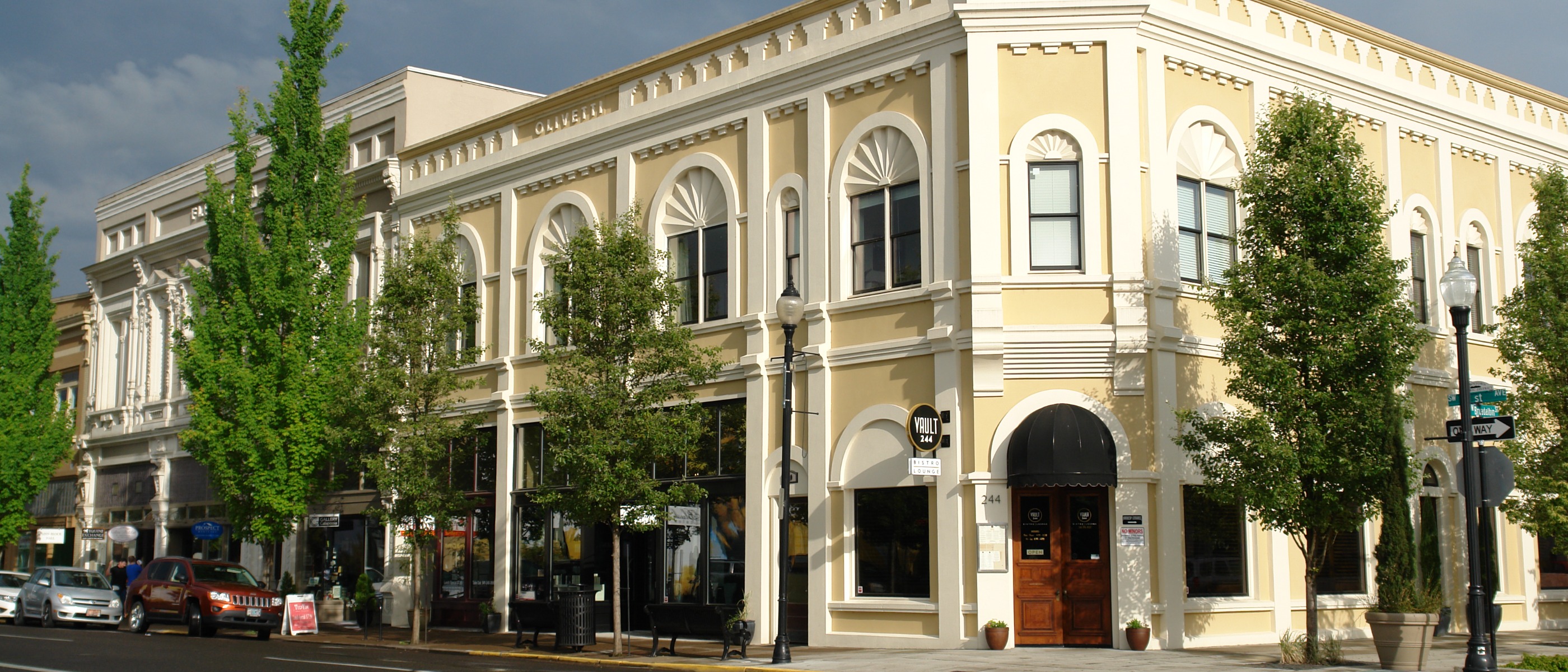
After the museum, spend a little more time in Albany’s Downtown Commercial Historic District. Many of the buildings here still serve the same purpose they did generations ago: bringing people downtown to gather, shop, dine, and do business.
This is a good place to slow down and look up. Above and around the storefronts, ornate brickwork, upper-story windows, cornices, restored facades, and decorative details tell stories that are easy to miss from a car. Look closely, too, for the cast-iron storefront elements found on several downtown buildings. Albany once had its own iron foundries, and some of the architectural ironwork you see was cast right here by Albany Iron Works. You may even spot the small makers' marks identifying Cherry & Parkes and Albany, Oregon—a wonderful reminder that some of downtown's architecture was not only built in Albany, but made here.
If you are ready for a break, stay downtown for lunch or coffee before continuing your history tour.
Add a Covered Bridge Drive

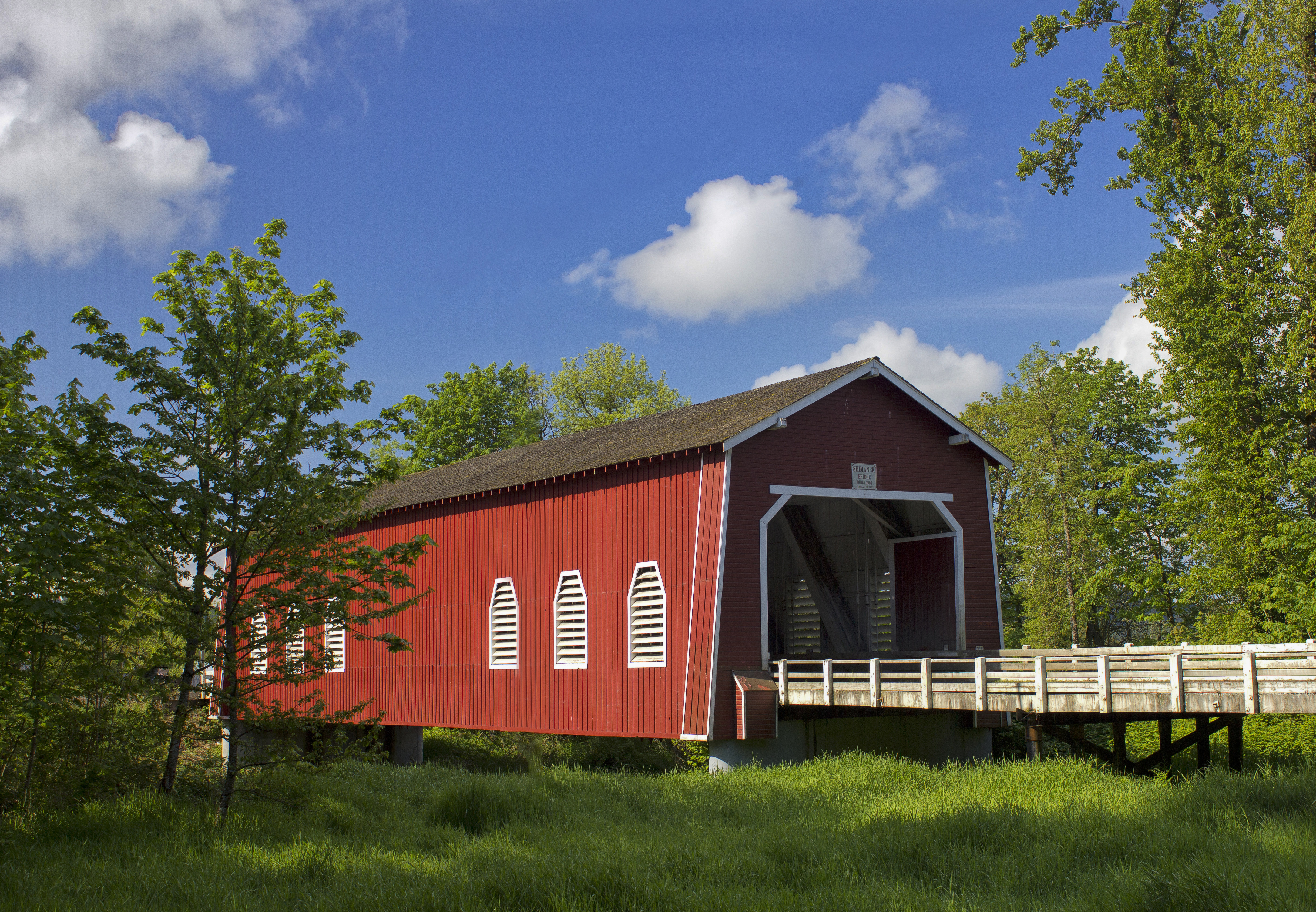
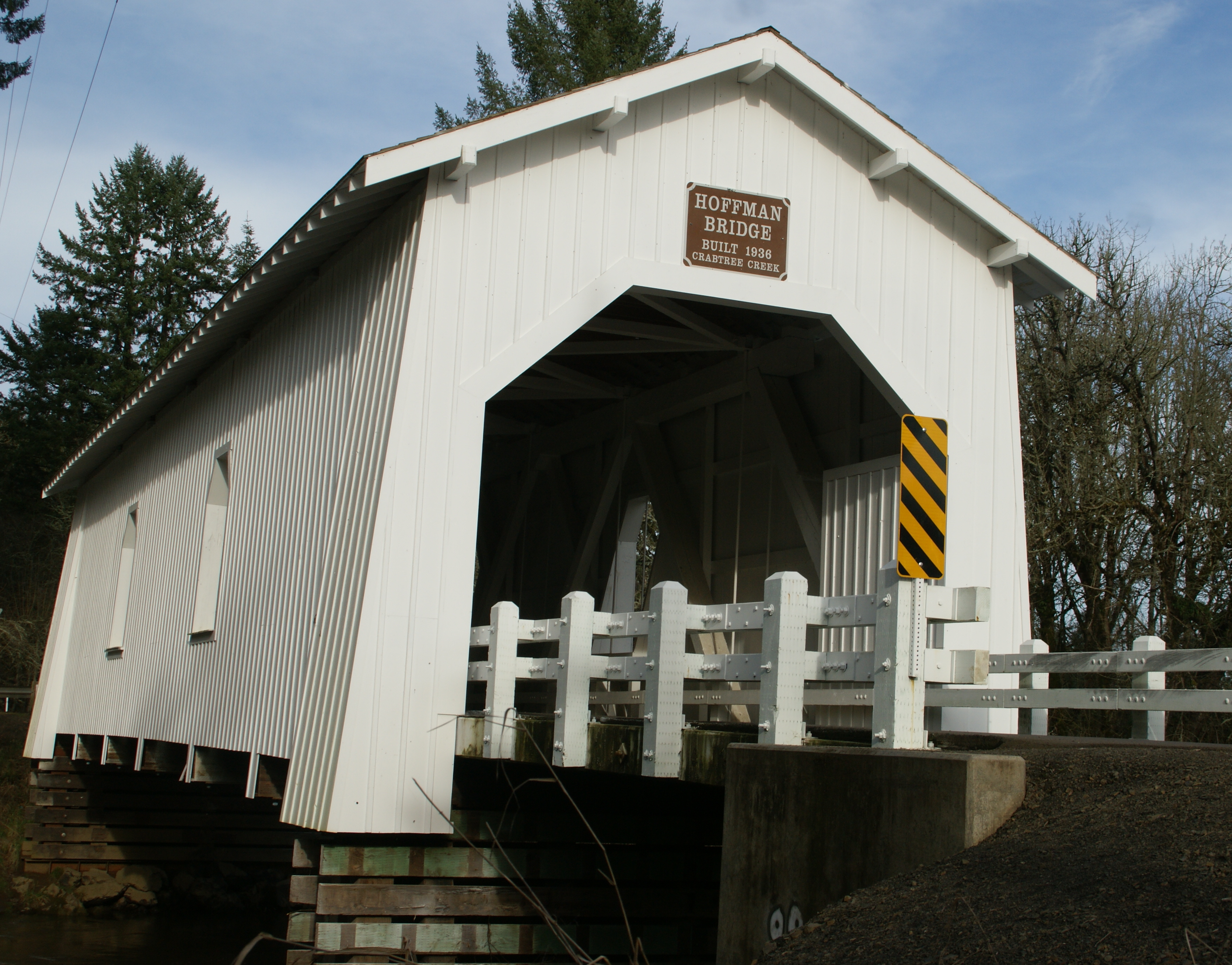
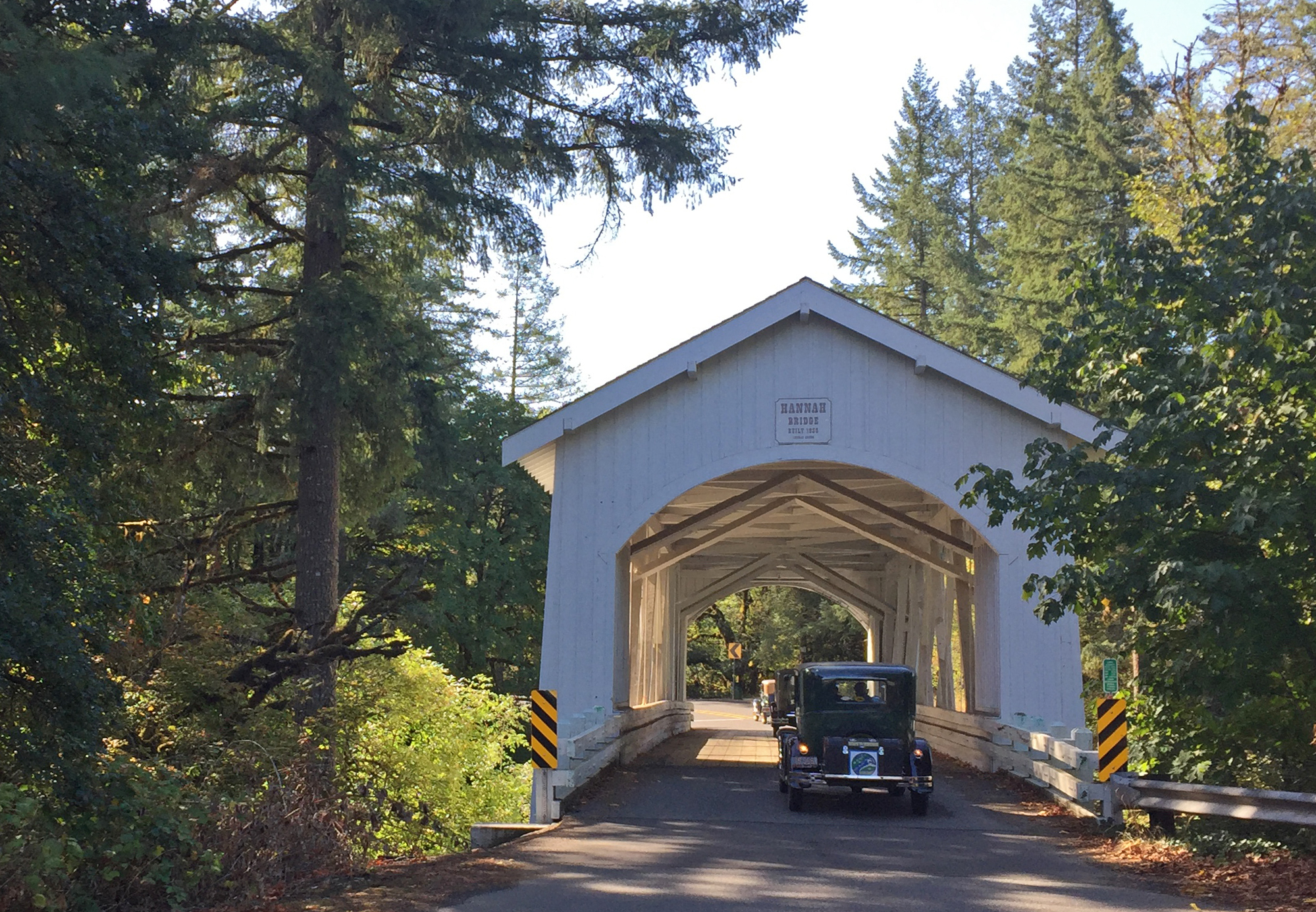
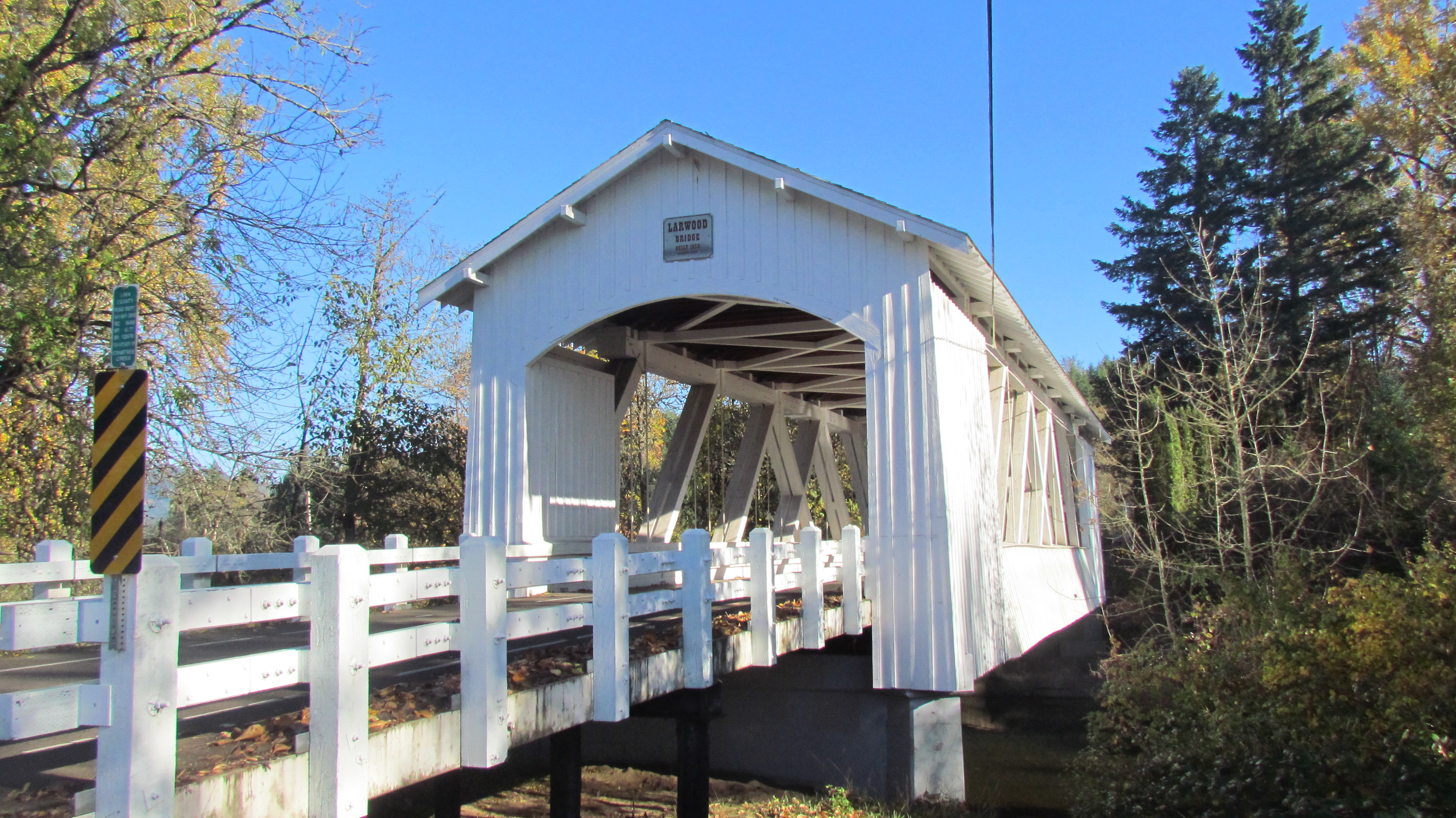
If you have time for a drive, expand your history tour into the countryside with Linn County’s covered bridges. Linn County is home to eight covered bridges, and a five-bridge loop gives visitors a scenic route close to Albany. With a few extra hours, you can continue east and visit all eight.
The covered bridges are especially rewarding if you enjoy craftsmanship, rural history, photography, or quiet back roads. Many are still open to pedestrian and vehicle traffic, and the route pairs well with a downtown lunch, museum visit, or overnight stay in Albany.
Come Back for More History
Albany’s history is worth more than one visit. In May, Albany celebrates National Historic Preservation Month with tours, talks, and special events throughout the month. Check our event calendar for current dates and details before planning your trip.
Plan Your Visit
Best For: History buffs, architecture lovers, heritage travelers, photographers, and visitors who enjoy walkable downtowns.
Start Here: Begin at the Albany Visitors Center or download the Albany Explorer app before you arrive.
Main Stops: Explore the historic districts, Monteith House Museum, Albany Regional Museum, and Downtown Commercial Historic District.
Walking Time: Plan at least two to three hours for a relaxed downtown and historic district visit.
Full-Day Option: Add lunch downtown, more time in the museums, and a covered bridge drive.
Driving Add-On: Take the five-bridge covered bridge loop near Albany, or allow more time to visit all eight Linn County covered bridges.
Best Return Events: Visit in May for National Historic Preservation Month, in July for the Summer Historic Interior Tour, or in December for the Christmas Tour.
Planning Tip: Check the event calendar before you visit, especially for museum hours, home tours, seasonal events, and Preservation Month programs.